Chinese New Year traditions: Year of the Horse, family rituals and Spring Festival meaning
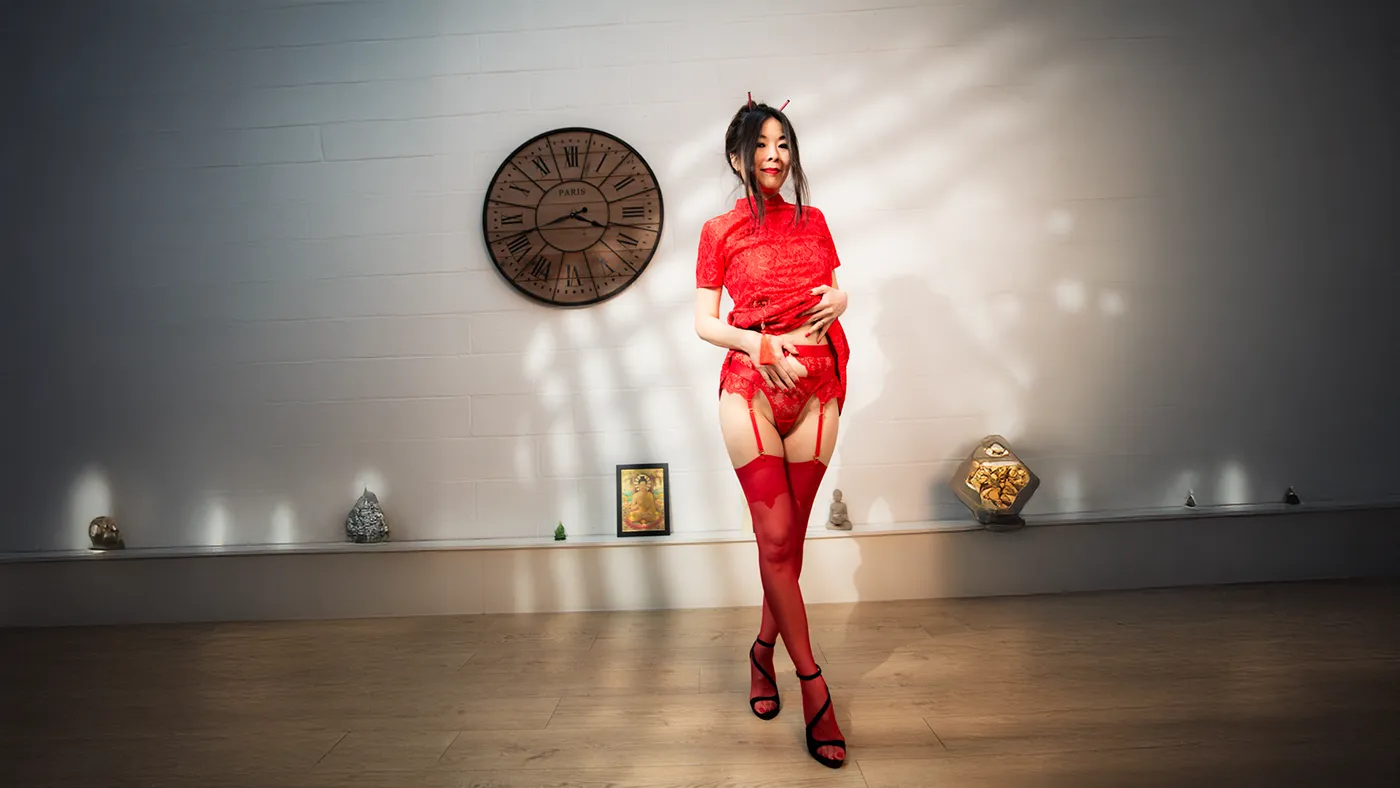
Last Tuesday marked the start of the Chinese New Year, the Year of the Horse. So, to each and every one of you, I wish a bright Year of the Horse.
Like our Western zodiac, Chinese astrology is divided into twelve signs. But here, there are no months: it is the years that bear the imprint of symbolic animals. Our sign is thus assigned to us at birth, like a discreet signature that will accompany our character, our impulses, our strengths, and sometimes our vulnerabilities.
This celebration, called "Tet" in Vietnam or "Spring Festival," gives rise each year to the world's largest migration. Millions of people reunite with their families, crossing cities and continents.
A part of Asia seems to hold its breath, a time for reunions, rituals, and renewed hopes.
In my family of Sino-Cambodian origin, we were keen to honor this tradition. The New Year was not just a change of calendar: it was a time of transmission, remembrance and gratitude.
My parents would set up a large, generous, and colorful offering table. There was lacquered duck with shiny skin, stir-fried noodles promising longevity, crispy spring rolls, carefully chosen fruits, soft rice cakes…
Each dish had its symbolism: health, prosperity, luck to invite into our lives for the months to come.
Sticks of incense burned slowly before the altars dedicated to our departed ancestors. Each was honored, invited to share this invisible meal, as if the bond between the living and the absent was strengthened for the duration of a lunch.
Then my parents would give us the red envelopes, the "hangbao". They contained a few New Year's gifts, but above all a silent wish for happiness and protection for the new year.
And in these gestures repeated year after year, there was more than a tradition: there was love, continuity, and the promise that nothing is truly lost.